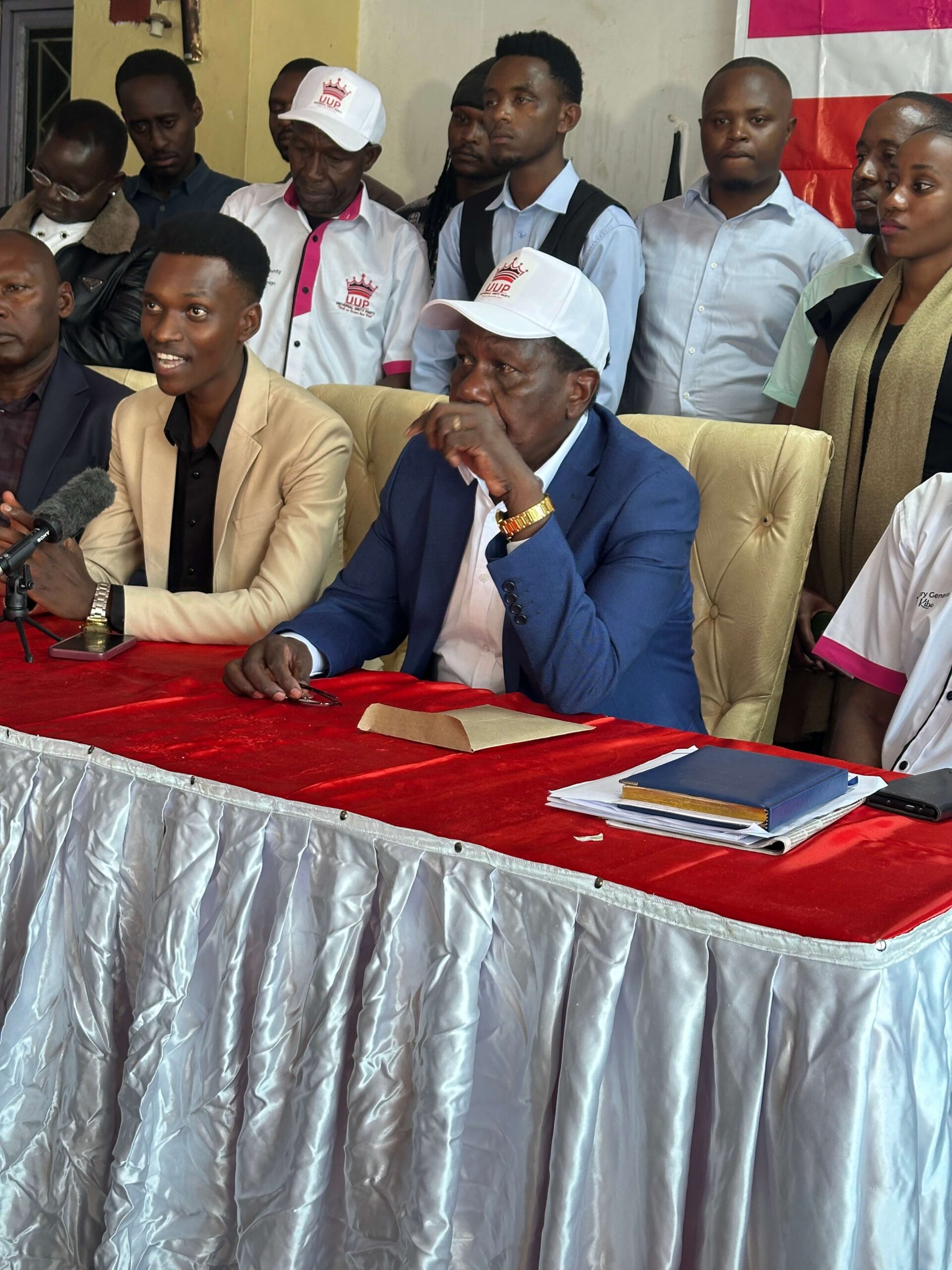
Here’s a breakdown of how the Universal Unity Party (UUP) in Kenya is presenting the youth as agents of change and transformative leadership ahead of the 2027 elections — along with commentary on how credible and substantive these efforts appear.
What UUP is doing with youth
Based on recent reporting:
1. Youth-driven messaging
- The UUP youth wing emphasised that young people “hold the potential to bring in the desired leadership changes” and that the upcoming 2027 election is an opportunity for them to be the “change-makers”. (The Mount Kenya Times)
- At a youth meeting in Kiambu County, youth leaders (e.g., Waweru Kimondo, Stanslus Mwangi) stated that the youth will be propelled to seats such as MCAs, MPs, Senators and even Governors. (Kiambu Observer)
- One youth leader, Joy Medza (Kilifi), declared the youth were ready to “battle it out with seasoned politicians and bigwigs in the political arena at the ballot.” (Kiambu Observer)
2. Civic education & voter registration
- UUP is mobilising young people to register as voters, as the party leadership (Robert Wairiri) said that this is the only way for youth “to arm themselves to bring in the leadership change they yearn for.” (Kiambu Observer)
- The youth wing also stated they are undertaking “civic education sensitisation campaigns” across counties so that young people and other citizens can “make an informed decision at the ballot”. (The Mount Kenya Times)
3. Youth recruitment and representation
- The party is actively targeting youth recruitment: of new party members (especially youth) ahead of 2027, with a view to building numbers and influence. (Kiambu Observer)
- The UUP youth wing expressed hope that “there are parties like UUP which is recognising and embracing the young generation” and expressed optimism of seeing youth in leadership posts. (Kiambu Observer)
4. Setting a narrative of transition from protest to participation
- Rather than returning to street agitation, the youth wing’s message is that “we will not go back to the streets to agitate for better governance. We have been presented with the opportunity to be the change-makers in the next general elections.” (The Mount Kenya Times)
- They emphasise that being part of decision-making (via elections) is the strategy for change. (Kiambu Observer)
Why this matters and how it works to position youth as transformative leadership
- Numerical leverage: Youth constitute a large share of Kenya’s population, hence politically significant. The UUP’s emphasis on youth plays into this demographic strength.
- Legitimacy of change: By presenting youth as agents of change, UUP is calling on voters tired of “business-as-usual” politics and seeking fresh leadership.
- Leadership pipeline: Encouraging youth to vie for seats is a concrete step toward shifting not just voting behaviour but actual representation.
- Informed participation: Civic education campaigns help strengthen the quality of youth engagement rather than just symbolic involvement.
- Transition from reactive to proactive: The shift from street agitation to electoral role signals a move from protest to structured political participation — which can be more sustainable.
Some caveats / questions to watch
- Resource & recognition constraints: The youth leaders themselves acknowledged “lack of adequate resources and failure to be recognised by the big political parties.” (Kiambu Observer) This raises questions of how deeply the UUP is embedding youth structurally rather than rhetorically.
- Representation vs tokenism: It remains to be seen how many youth will actually win seats or hold leadership roles, rather than being front-faced for visibility.
- Policy specificity: Much of the messaging is about participation and change, but less about detailed youth-specific policy prescriptions (employment, skills, etc.) in the sources cited. That will matter for “transformative leadership.”
- Electoral vs organisational capacity: Mobilising voters is one thing; building an organisational machine that backs youth candidates and sustains them is another.
- Competition and dynamics: Other parties are also courting youth, so UUP’s youth fronting is in a competitive environment; differentiation and delivery will matter. For example, other parties have launched youth-oriented campaigns and leadership academies. (The Star)
My Editorial Assesment
The UUP’s efforts to front the youth as agents of change ahead of 2027 are meaningful and move in the right direction. They have a coherent narrative: youth-led change, participation, representation, civic education. If these efforts are backed by structural support (funding, candidate backing, policy platforms) then they could indeed position youth as transformative leadership.
However, much depends on execution. The youth push must go beyond slogans and visibility; it needs to result in youth holding real leadership positions, shaping policy, and delivering for their constituencies. If not, it risks being another election-cycle promise without substance.